Everything You Need To Know About Seismic Braces
In the world of construction and building design, seismic bracing is a critical component to ensure the safety and stability of structures in earthquake-prone regions. Also known as seismic braces or seismic restraints, these devices are specifically designed to reduce the risk of damage or collapse during a seismic event. In this article, we will delve deeper into what seismic braces are, how they work, and why they are essential for buildings in earthquake zones.
seismic braces are structural elements used in buildings to resist lateral forces caused by earthquakes. These forces, also known as seismic forces, can cause buildings to sway, deform, or even collapse if not properly controlled. seismic braces work by providing additional strength and stiffness to the building, allowing it to better withstand the lateral forces exerted during an earthquake.
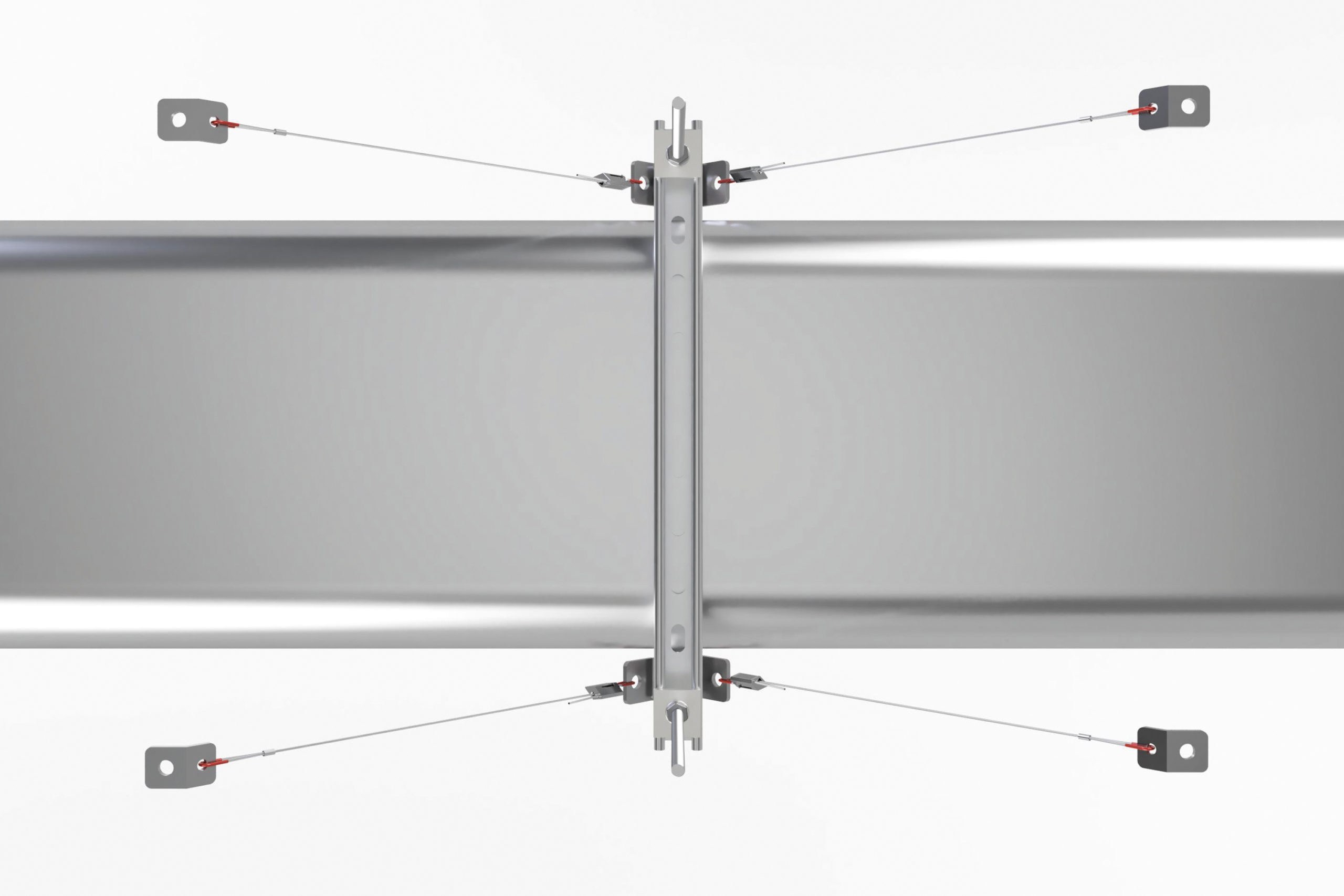
There are various types of seismic braces, including diagonal braces, eccentric braces, and concentric bracing systems. Diagonal braces are typically installed at angles between the floors of a building to provide lateral support. Eccentric braces, on the other hand, are placed off-center and are designed to absorb energy through controlled yielding. Meanwhile, concentric bracing systems consist of two braced frames that work together to provide resistance to lateral forces.
The effectiveness of seismic braces in preventing damage during an earthquake lies in their ability to dissipate energy. When an earthquake occurs, the lateral forces exerted on a building can cause it to sway back and forth. seismic braces help to absorb and dissipate this energy, reducing the overall impact on the structure. By redirecting the forces away from the building’s primary structural elements, seismic braces help to preserve the integrity of the building and protect it from collapse.
In addition to providing lateral support, seismic braces can also improve the overall performance of a building in other ways. For example, seismic braces can enhance the building’s ductility, which is its ability to deform without breaking. This increased ductility can prevent brittle failure modes and give occupants more time to evacuate safely during an earthquake. Furthermore, seismic braces can also reduce the amount of damage sustained by non-structural elements within a building, such as piping, electrical systems, and partitions.
The installation of seismic braces is crucial for buildings located in regions with a high risk of earthquakes. Building codes and regulations often require the use of seismic braces in new construction projects and may also mandate retrofitting existing structures to include seismic bracing. Failure to comply with these requirements can result in fines, legal liabilities, and, most importantly, the endangerment of lives.
When designing a building with seismic braces, engineers must consider a variety of factors to ensure their effectiveness. These factors include the building’s height, weight, materials used, and the expected level of seismic activity in the area. Engineers must also carefully assess the potential impact of seismic forces on the building and design the braces accordingly to provide the necessary support and protection.
In conclusion, seismic braces are a critical component of building design in earthquake-prone regions. These structural elements provide vital lateral support, dissipate energy, and improve the overall performance of a building during seismic events. By incorporating seismic braces into construction projects, engineers can help to mitigate the risk of damage and collapse, safeguarding lives and property in the face of earthquakes.
Whether you are constructing a new building or retrofitting an existing one, the inclusion of seismic braces should be a top priority. By investing in seismic bracing technology, you can ensure the safety and stability of your structure in the event of an earthquake. It is always better to be safe than sorry when it comes to protecting your building and its occupants from the devastating effects of seismic activity.
So, if you are designing a building in an earthquake-prone region, remember to consider seismic braces as a crucial component of your construction plans. Your investment in seismic bracing could make all the difference when the next earthquake strikes.