The Ultimate Guide To Beavertail Flatbeds
If you work in the transportation or construction industry, you may have come across the term “beavertail flatbed.” What exactly is a beavertail flatbed and how can it benefit your business? In this comprehensive guide, we will dive into the world of beavertail flatbeds and explore their uses, advantages, and considerations.
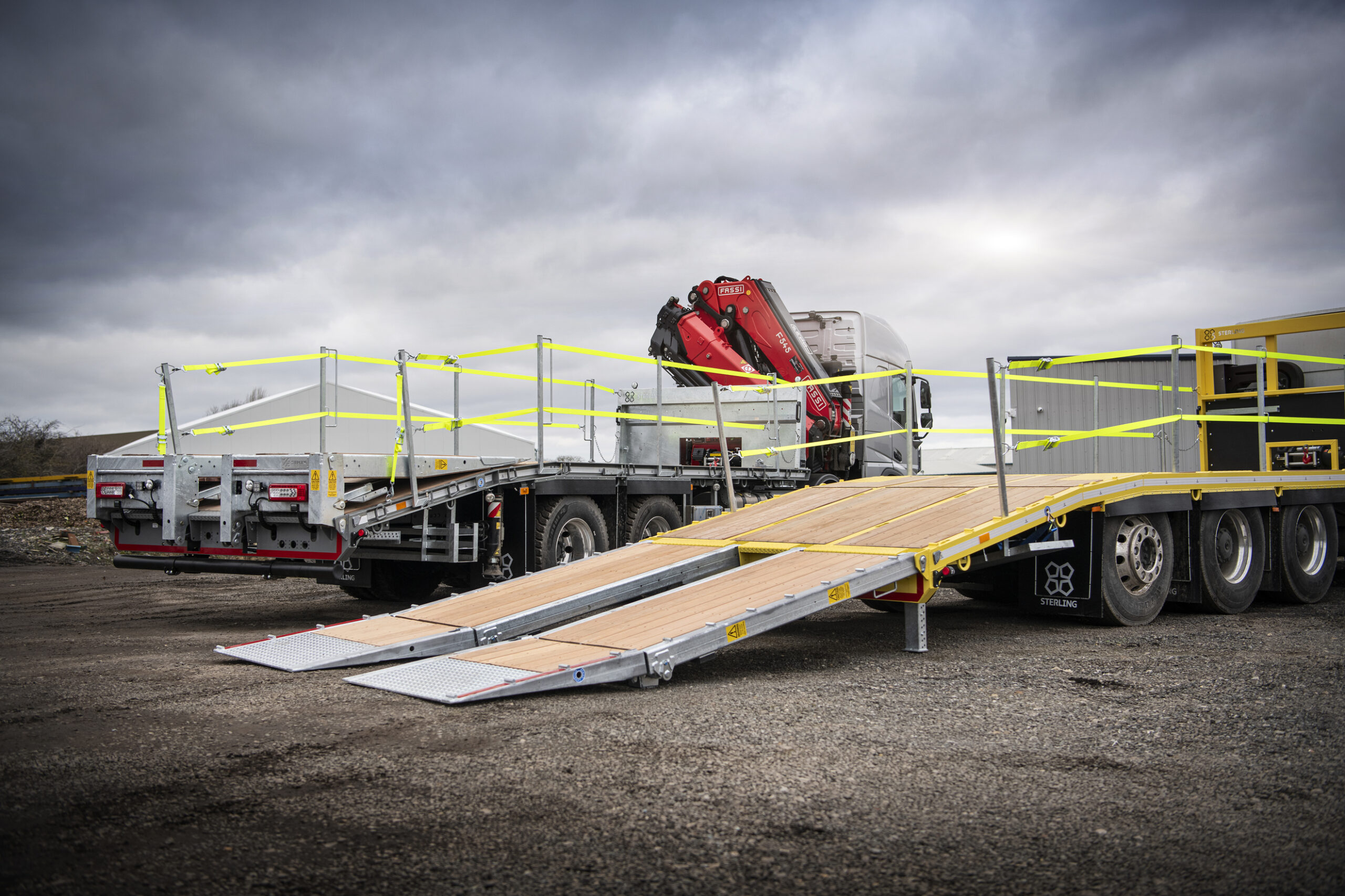
A beavertail flatbed, also known as a low loader or drop deck trailer, is a type of trailer specifically designed to transport heavy equipment and machinery. The distinguishing feature of a beavertail flatbed is its sloping rear section, which makes it easier to load and unload equipment with low ground clearance. This sloping section resembles a beaver’s tail, hence the name.
One of the key advantages of a beavertail flatbed is its versatility. Whether you need to transport construction equipment, vehicles, or oversized machinery, a beavertail flatbed can accommodate a wide range of loads. The sloping rear section allows for easy loading and unloading, even for equipment with limited ground clearance. This makes it a popular choice for industries such as construction, agriculture, and forestry.
Another advantage of a beavertail flatbed is its stability and safety. The low deck height of a beavertail flatbed reduces the risk of tipping or shifting during transportation. This is especially important when transporting heavy equipment or oversized loads. Additionally, the sloping rear section provides a smooth transition for loading and unloading, minimizing the risk of damage to the equipment or trailer.
When selecting a beavertail flatbed for your business, there are several factors to consider. First, determine the weight and dimensions of the equipment you will be transporting to ensure that the flatbed can accommodate your needs. Additionally, consider the type of rear ramp or loading mechanism that will work best for your operations. Some beavertail flatbeds come equipped with hydraulic ramps, while others require manual loading.
Maintenance and upkeep are also important considerations when it comes to beavertail flatbeds. Regular inspections and servicing are essential to ensure the safety and reliability of your flatbed. Be sure to follow manufacturer recommendations for maintenance and address any issues promptly to prevent costly repairs down the line.
In terms of cost, beavertail flatbeds are generally more expensive than traditional flatbed trailers due to their specialized design and features. However, the benefits in terms of versatility, stability, and safety often outweigh the initial investment. Consider the long-term value that a beavertail flatbed can bring to your business in terms of efficiency and productivity.
In conclusion, a beavertail flatbed is a valuable asset for businesses in the transportation and construction industries. Its unique design allows for easy loading and unloading of heavy equipment, while providing stability and safety during transportation. By considering factors such as weight capacity, loading mechanisms, and maintenance, you can select the right beavertail flatbed for your specific needs.
Whether you are transporting construction equipment to a job site or delivering oversized machinery to a customer, a beavertail flatbed can streamline your operations and help you get the job done efficiently. Invest in a beavertail flatbed today and experience the many benefits it has to offer for your business.